What Is a 3D Sunflower Mandala? Meaning, Artistry, and Modern Significance
Understanding the Core Concept
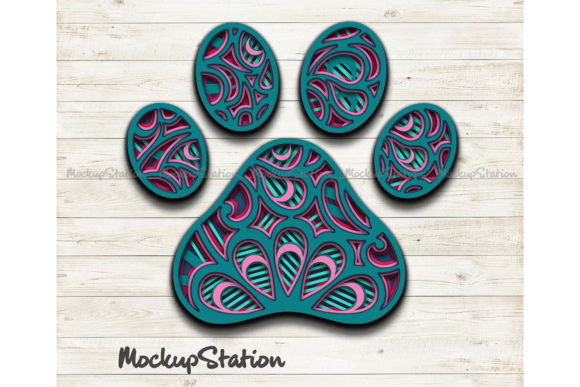
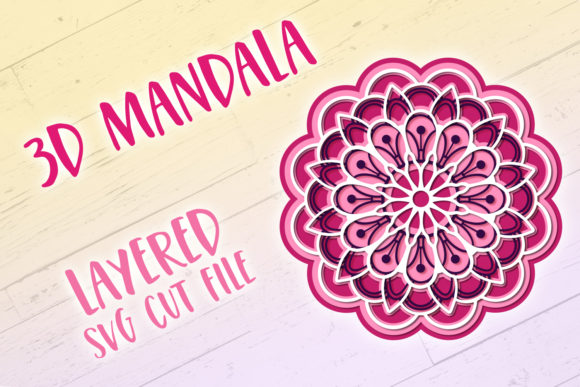
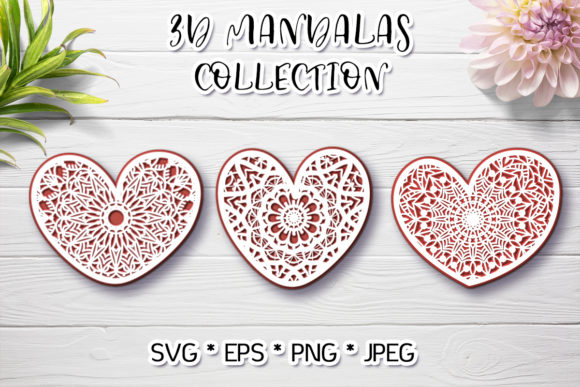
A 3D sunflower mandala is a layered, dimensional artwork that merges the symbolic richness of the sunflower with the sacred geometry and meditative structure of the mandala. Unlike flat, two-dimensional mandalas—often drawn or painted on paper—the 3D version uses depth, texture, and spatial layering to create visual movement and tactile presence. It may be crafted from laser-cut wood, folded paper, resin-cast petals, metal filigree, or digital 3D models rendered for animation or virtual reality.
At its heart, this fusion reflects two powerful archetypes: the sunflower, long associated with loyalty, adoration, vitality, and solar energy—and the mandala, a Sanskrit word meaning “circle,” used across Buddhist, Hindu, and Indigenous traditions as a tool for focus, healing, and cosmic alignment. When combined in three dimensions, the result isn’t just decorative—it’s an embodied experience of growth, symmetry, and centeredness.
The Symbolic Power of the Sunflower
Sunflowers follow the sun—a behavior called heliotropism. Young blooms track daylight from east to west; mature heads settle facing east, welcoming dawn. This natural rhythm mirrors human aspirations: seeking light, embracing renewal, and anchoring ourselves in purpose. In art therapy and mindfulness practices, sunflowers frequently represent resilience, joy, and unwavering optimism—even in challenging soil.
The Timeless Role of the Mandala
Mandalas are more than intricate patterns. They serve as maps of consciousness: concentric circles radiating from a central point symbolize the journey from outer distraction to inner stillness. Tibetan monks painstakingly create sand mandalas not to preserve them, but to honor impermanence—sweeping them away after completion as a teaching on non-attachment.
When sunflower motifs replace traditional lotus petals or deities in a mandala design, the symbolism evolves: it grounds ancient spiritual frameworks in accessible, nature-based imagery—making contemplative practice feel less esoteric and more personally resonant.
How 3D Design Transforms the Experience
Flat mandalas invite observation. 3D sunflower mandalas invite interaction. Their depth creates shifting shadows, dynamic perspective, and physical presence—engaging multiple senses at once. Consider these real-world examples:
- Wall art installations using stacked acrylic layers, where each petal rotates slightly with ambient air movement—creating gentle motion without electricity.
- Educational tools in STEM classrooms, where students assemble laser-cut wooden mandalas to explore Fibonacci sequences, radial symmetry, and plant phyllotaxis (the mathematical arrangement of leaves and seeds).
- Wellness spaces featuring suspended resin mandalas above meditation cushions—refracting light like stained glass while evoking organic warmth.
- Digital applications, such as AR filters that project animated 3D sunflower mandalas onto walls via smartphone cameras—used by therapists to guide breathwork or grounding exercises.
This dimensional quality bridges aesthetics and function. A 3D sunflower mandala isn’t merely “pretty”—it’s a catalyst for presence. Its curves and layers draw the eye inward, encouraging slower looking, deeper breathing, and mindful pause amid digital overload.
Common Misconceptions—Clarified
It’s easy to assume a 3D sunflower mandala is purely decorative—or worse, a trendy Instagram aesthetic with little substance. But that overlooks its intentional design logic and therapeutic grounding. Here’s what’s often misunderstood:
- “It’s just a sunflower drawing with extra layers.” — Not true. Authentic 3D mandalas follow precise geometric ratios. Petal count, spiral angles, and layer spacing often reflect the golden ratio (≈1.618) or Fibonacci numbers (e.g., 34, 55, or 89 spirals in real sunflower seed heads). These aren’t arbitrary—they echo patterns found throughout nature, from nautilus shells to galaxy arms.
- “Only spiritual people use mandalas.” — While rooted in contemplative traditions, modern mandalas support secular goals too: reducing anxiety, improving focus in ADHD coaching, enhancing memory recall in dementia care programs, and even aiding post-surgical recovery through guided visualization.
- “3D means ‘digital only’ or ‘too complex to make.’” — Quite the opposite. Many artisans craft stunning 3D mandalas using accessible materials: folded origami paper, repurposed book pages, pressed botanicals embedded in epoxy, or even CNC-carved bamboo. DIY kits now teach layering techniques alongside basic geometry concepts—making creation part of the healing process.
In Daily Well-Being
Placing a small 3D sunflower mandala on a desk or nightstand offers micro-moments of recentering. Research in environmental psychology shows that exposure to biophilic (nature-inspired), symmetrical forms lowers cortisol levels within minutes. Unlike static images, the subtle play of light across a multi-tiered design sustains attention without fatigue—ideal for hybrid workers needing cognitive resets between Zoom calls.
In Creative Education
Teachers integrate 3D sunflower mandalas into cross-curricular units: math (measuring angles and ratios), biology (studying heliotropism and seed distribution), art (exploring positive/negative space), and social-emotional learning (discussing growth metaphors). Students don’t just learn about patterns—they build them, embodying knowledge kinesthetically.
In Business & Brand Identity
Forward-thinking brands use 3D sunflower mandalas to express core values—especially those centered on sustainability, inclusivity, and human-centered innovation. A wellness app might animate a blooming 3D mandala as a loading screen, signaling patience and organic progress. An eco-conscious skincare line may emboss the motif onto recyclable packaging, linking product integrity with natural harmony.
Getting Started—Gentle Entry Points
You don’t need advanced tools or training to connect with this form. Try these beginner-friendly steps:
- Observe real sunflowers: Visit a local garden or farmer’s market. Notice how petals curve, how seeds nestle in spirals, how stems bend toward light. Sketch one loosely—no perfection needed.
- Try a printable 3D papercraft kit: Many designers offer free downloadable templates with scoring lines and assembly guides. Cutting and gluing builds spatial awareness—and rewards patience with tangible beauty.
- Use digital tools mindfully: Apps like Tinkercad or Canva’s 3D shape library let you rotate, scale, and layer sunflower elements. Experiment with color gradients and shadow settings—not to replicate realism, but to explore emotional tone (e.g., warm golds for energy, soft lavenders for calm).
- Bring it into ritual: Light a candle near your mandala during morning reflection. Trace its layers slowly with your finger—left to right, center outward—to anchor intention before starting your day.
Final Thought: More Than Art—A Living Metaphor
A 3D sunflower mandala is never finished—it evolves with context, light, and viewer. Like sunflowers turning toward the sun, it reminds us that growth isn’t linear; it’s cyclical, responsive, and deeply relational. Whether displayed in a clinic waiting room, embedded in architectural lighting, or generated algorithmically to visualize climate data, it carries quiet power: to orient, to soothe, to inspire.
Its relevance grows not because it’s novel—but because it answers a timeless human need: to find wholeness within complexity, light within layers, and connection within form. In a world pulling us in countless directions, the 3D sunflower mandala doesn’t ask you to choose one path. It invites you to return—to the center, to the sun, to yourself.