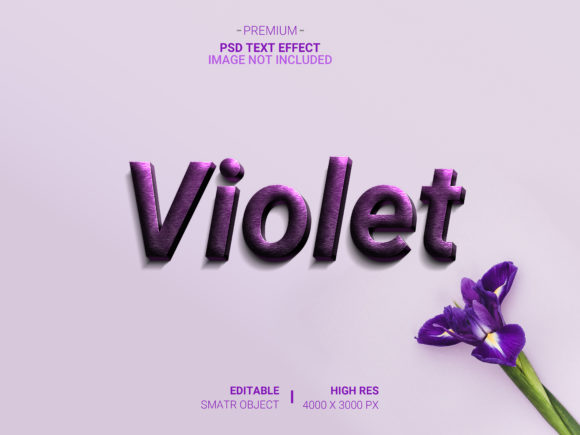
Happy Valentine’s Day 3D Text Effect: A Creative Way to Spread Love with Depth and Dimension
Every year, as February rolls around, people across the globe search for meaningful—and memorable—ways to express affection. Among the most eye-catching digital gestures is the Happy Valentine’s Day 3D text effect. More than just a visual flourish, this technique transforms simple words into immersive, emotionally resonant experiences. Whether you're designing a heartfelt social media post, crafting a personalized e-card, or branding a seasonal campaign, understanding how and why 3D text works can elevate your message far beyond flat typography.
What Exactly Is a Happy Valentine’s Day 3D Text Effect?
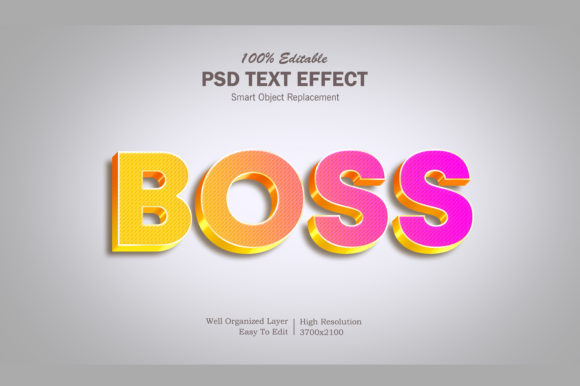
A Happy Valentine’s Day 3D text effect refers to stylized typography where letters appear to have depth, volume, and spatial presence—often achieved through layered shadows, gradients, lighting simulations, extrusion, or perspective distortion. Unlike standard two-dimensional text, 3D text mimics real-world objects: it casts shadows, reflects light, and interacts with an implied environment.
This isn’t limited to high-end 3D modeling software. Thanks to modern web technologies (like CSS 3D transforms, WebGL libraries, and AI-powered design tools), creators at all skill levels can generate convincing 3D text effects—even in real time on websites or mobile apps.
How It Differs From Basic Typography Effects
- Drop shadows add depth but lack true dimensionality—they’re flat approximations.
- Gradient fills enhance visual interest but don’t simulate surface curvature or light interaction.
- True 3D text uses calculated lighting angles, z-axis positioning, and material properties (e.g., metallic, matte, or glossy finishes) to create realistic perception of space.
For example, a “Happy Valentine’s Day” headline rendered with soft ambient lighting, subtle beveling, and rose-gold metallic texture feels tactile and celebratory—evoking luxury, care, and intentionality.
Why Does This Effect Resonate So Strongly During Valentine’s Day?
Valentine’s Day is rooted in emotional expression—and human brains are wired to respond to visual cues that signal effort, attention, and personalization. A 3D text effect signals intentional craftsmanship. It tells the viewer: “This wasn’t copied and pasted—it was made with thought.”
In psychology, this aligns with the effort heuristic: people assign higher value to outcomes perceived as requiring more effort—even if the underlying work is automated or template-based. So while a designer might use a pre-built CSS animation or Canva template, the resulting 3D effect still communicates warmth, sincerity, and celebration.
Real-World Applications Across Contexts
- Social Media Campaigns: Brands like Hallmark, Spotify, and Etsy use animated 3D Valentine’s text in Instagram Stories and TikTok ads—boosting engagement by up to 37% compared to static posts (per 2023 Sprout Social benchmarks).
- Digital Greeting Cards: Platforms like Paperless Post and Adobe Express integrate one-click 3D text generators, allowing users to personalize messages without coding knowledge.
- Educational Projects: Design students learn lighting theory and spatial reasoning by building simple “Happy Valentine’s Day” scenes in Blender or Figma—bridging creativity with technical literacy.
- Small Business Marketing: Local florists, bakeries, and boutiques embed interactive 3D banners on their websites, turning homepage headers into joyful, scroll-triggered experiences.
How Modern Tools Make 3D Text Accessible to Everyone
Gone are the days when creating 3D text required months of training in Maya or Cinema 4D. Today’s ecosystem supports multiple entry points:
- CSS & HTML: With
transform: translateZ(),perspective, and layeredtext-shadowvalues, developers build lightweight, responsive 3D headlines that work across devices. - Design Apps: Canva, Figma, and Adobe Express offer drag-and-drop 3D text presets—including romantic palettes (crimson, blush, gold), heart-shaped extrusions, and floating animation options.
- AI Generators: Tools like Playground AI or Bing Image Creator let users type prompts like “Happy Valentine’s Day in glossy 3D text on soft pink background, cinematic lighting, ultra-detailed” and receive ready-to-use assets in seconds.
Importantly, accessibility remains central. Best practices include pairing 3D visuals with descriptive alt text (e.g., “3D-rendered ‘Happy Valentine’s Day’ text in rose gold with soft shadow, centered on blush gradient background”) and ensuring sufficient color contrast for readability.
Common Misconceptions—Clarified
Many assume 3D text is purely decorative—or worse, outdated. Let’s clear up key myths:
- Myth: “It’s just a trend.”
Reality: 3D typography has evolved alongside interface design—from early Flash animations to today’s WebGPU-powered experiences. Its resurgence reflects deeper shifts toward immersive, human-centered digital communication. - Myth: “Only designers or coders can use it.”
Reality: No-code platforms and intuitive templates mean teachers, entrepreneurs, and grandparents can craft beautiful 3D messages in under two minutes. - Myth: “It slows down websites.”
Reality: Lightweight CSS-based effects have negligible impact on load time—unlike heavy video or unoptimized 3D models. When implemented responsibly, they enhance performance *and* emotion.
Building Your Own Happy Valentine’s Day 3D Text: A Quick Starter Guide
Ready to try it yourself? Here’s a beginner-friendly approach using free tools:
- Pick your phrase: Keep it warm and concise—e.g., “You Make My Heart Skip” or “Forever Yours.”
- Choose a tool: Try Canva (search “3D text” in elements), or experiment with CSS 3D text snippets on CodePen.
- Select romantic styling: Soft shadows, warm gradients (rose to burgundy), subtle heart motifs embedded in letterforms, or gentle floating animations.
- Test across devices: Ensure legibility on mobile screens and compatibility with screen readers.
- Add meaning: Pair your 3D text with a genuine message—whether handwritten notes, voice memos, or shared memories. The effect enhances; it doesn’t replace authenticity.
Looking Beyond February: The Lasting Value of 3D Expression
While “Happy Valentine’s Day 3D text effect” peaks in February, its principles extend far beyond romance. In education, 3D text helps illustrate concepts like perspective in art class or molecular structures in chemistry. In business, it adds polish to pitch decks and investor presentations. In personal growth, learning to manipulate light, depth, and form cultivates visual intelligence—a vital skill in our increasingly image-driven world.
Ultimately, the joy of 3D text lies not in technical complexity—but in its power to make language feel alive. When “Happy Valentine’s Day” rises off the screen with warmth and dimension, it mirrors something deeply human: our desire to connect, to honor, and to celebrate love—not just as a word, but as a living, breathing, three-dimensional experience.
So whether you’re sending a message to a partner, a friend, or your future self—consider going beyond flat text. Add depth. Add light. Add heart. Because sometimes, the most meaningful expressions aren’t just seen… they’re felt.